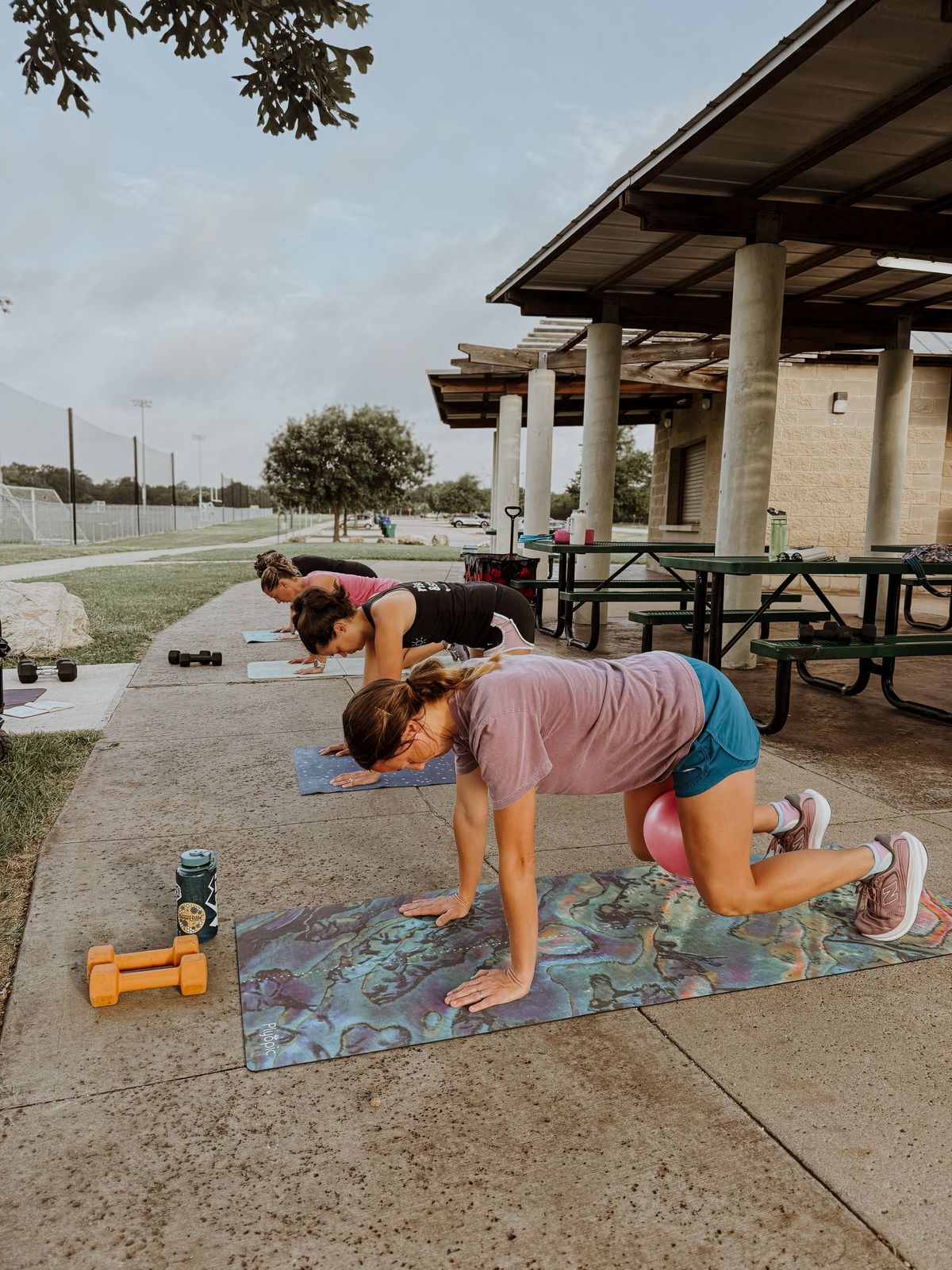
1. Start with Your Breath
It may sound simple, but learning to breathe well is one of the most effective ways to reconnect with your core.
Deep diaphragmatic breathing helps coordinate the diaphragm, abdominal muscles, and pelvic floor, creating a strong foundation for future exercise.
2. Rebuild from the Inside Out
Your deepest abdominal muscle—the transverse abdominis—acts like a natural corset.
Gentle activation exercises help restore stability before progressing to more challenging movements.
3. Strengthen Your Pelvic Floor
Pelvic floor muscles don't always need endless Kegels.
Some muscles are weak, while others are overly tight. Working with a pelvic floor physical therapist can help determine what your body actually needs.
4. Progress Gradually
Walking, functional strength training, and controlled movements often provide more benefit than jumping immediately into intense workouts.
Recovery is not about doing less forever—it's about doing the right things at the right time.
5. Give Yourself Grace
Healing isn't linear.
Some days your body feels strong. Other days it feels heavy and tired.
That's normal.
Your body grew, carried, and delivered a baby. Recovery deserves the same patience you gave pregnancy.